The Beginner's Guide to Budgeting (Without Losing Your Mind)
Okay sis, sit down — we're going to build the first budget that actually works for you. No spreadsheets, no shame spirals. Just a real plan.
June 14, 2026 · 8 min read · by your money big sis
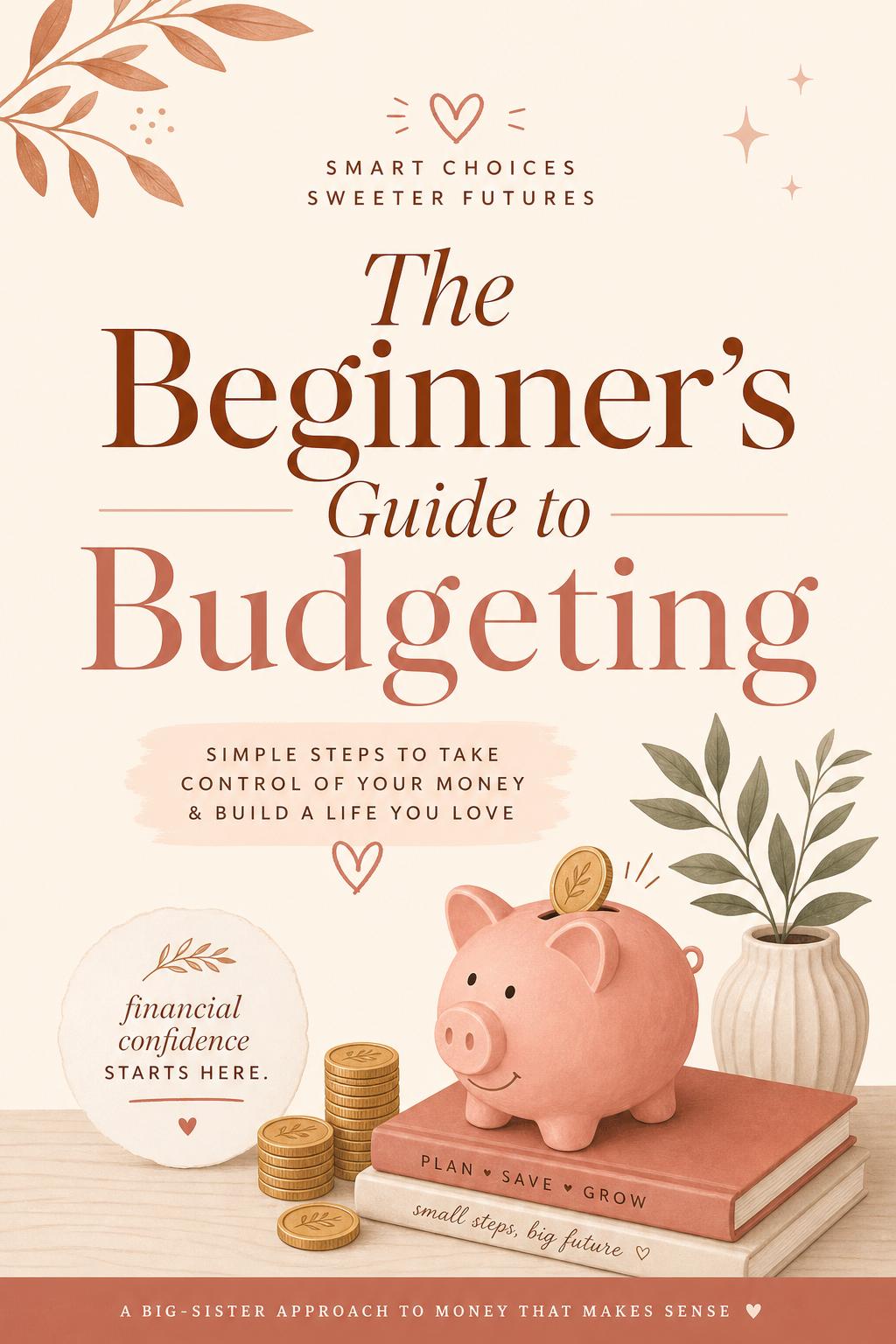
pin it for later ↑
Listen, if the word "budget" makes you want to close this tab and eat cereal for dinner, I get it. Budgets used to feel like punishment to me too. But hear me out — a budget isn't a diet. It's a permission slip. It tells your money where to go so you stop wondering where it went.
Grab your coffee. We're doing this together.
What a budget actually is
A budget is just a plan for the money coming in this month. That's it. It's not a life sentence, it's not a moral test, and it doesn't have to be perfect on the first try. Mine wasn't. My first "budget" was a note in my phone that said "stop buying $8 iced coffees, girl."
The whole point is to match what you spend to what matters to you. When those two things line up, money stops feeling scary.
The 50/30/20 starting point
If you've never budgeted before, start here. It's simple enough to actually do:
- 50% needs — rent, utilities, groceries, minimum debt payments, insurance
- 30% wants — takeout, streaming, that candle, your Saturday plans
- 20% future you — savings, extra debt payoff, investing
Take your take-home pay, split it into those three buckets, and you've got a budget. Don't overthink it. We'll refine.
The five-minute setup
Open a note in your phone and title it "Budget That I Will Actually Open Next Week" to keep yourself accountable. Write down:
- Your monthly take-home pay (after taxes)
- Every fixed bill + groceries (your 50% of your take-home pay going towards "Needs" such as rent, phone, subscriptions, groceries)
- Your "Wants" (30% of your take-home pay going towards the things that you might want to purchase that month). You don't have to know exactly what those "want" items are yet, you can just write down the dollar amount of 30% of your take-home pay and title it "Wants".
- One savings goal — even $25 counts (try to aim for 20% of your take-home pay, but feel free to refine it if a 20% goal is not realistic right now).
That's your budget. Seriously. You can get fancy later.
Sinking funds are the cheat code
Here's the thing nobody tells you: most "emergencies" aren't emergencies. Christmas isn't an emergency. Your car registration isn't an emergency. Your friend's wedding you've known about for six months isn't an emergency.
A sinking fund is a little savings pot for a known future expense. You divide the total by the months until you need it, and stash that much every paycheck. Suddenly Christmas isn't a January credit card hangover — it's already paid for.
Start three: one for holidays, one for car stuff, one for "the vibes" (travel, concerts, whatever lights you up).
The rule that changed my life
Check your budget the same day you get paid. Not before. Not after. That day.
Fifteen minutes on payday means you know exactly what's happening for the next two weeks. No surprises, no shame, no "wait, where did $340 go?"
What to do this week
You don't have to overhaul your life. Just do these three things:
- Write down your income and fixed bills
- Set one savings goal, no matter how tiny
- Open one sinking fund
That's it. That's the whole assignment. Come back next week and we'll talk about no-spend challenges and how to grocery shop without leaving with $200 of "just this one thing."
You've got this. I promise! :)
Keep reading, sis
 Budgeting
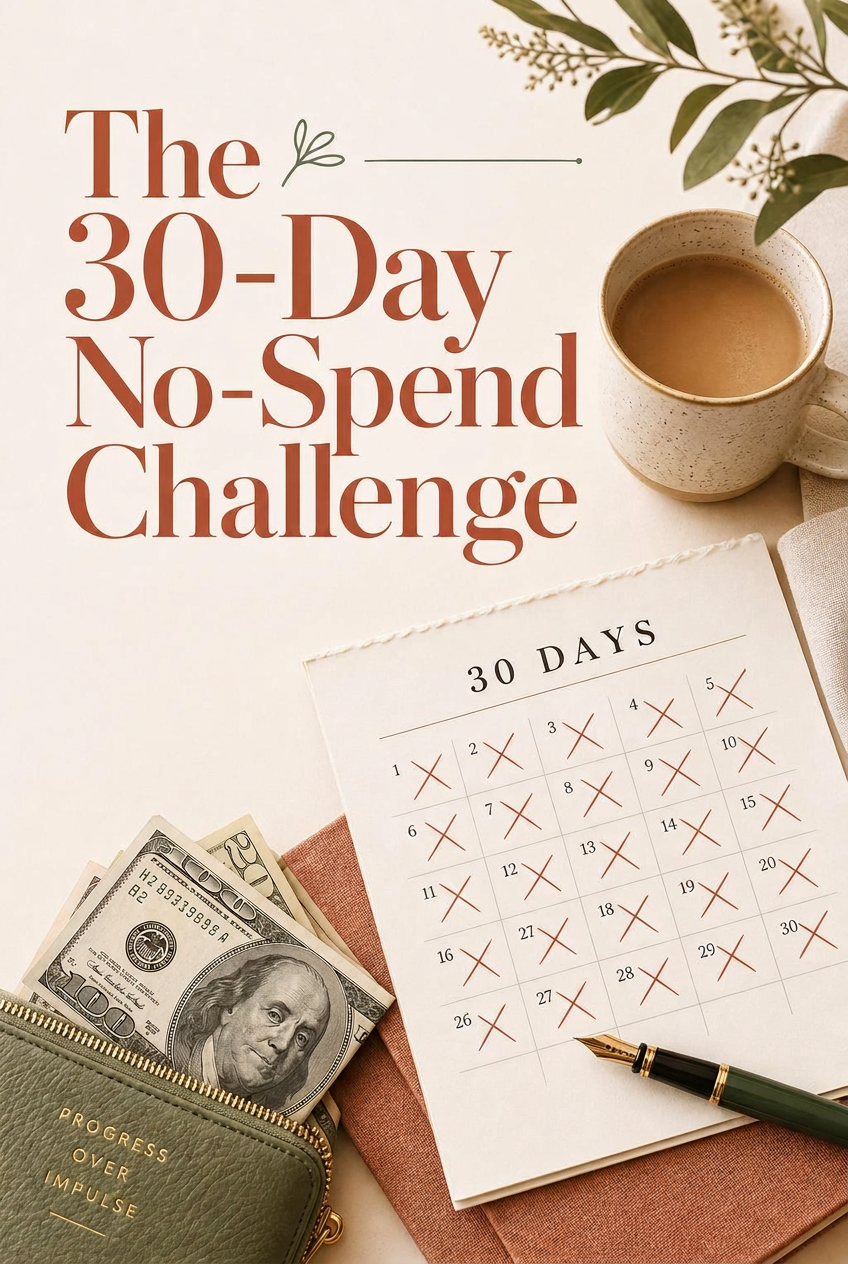
The 30-Day No-Spend Challenge
The rules, the loopholes, the honest breakdown of how a 30-day no-spend challenge works— and a printable checklist to do your own no-spend month.
June 22, 2026 · 7 min read
 Budgeting
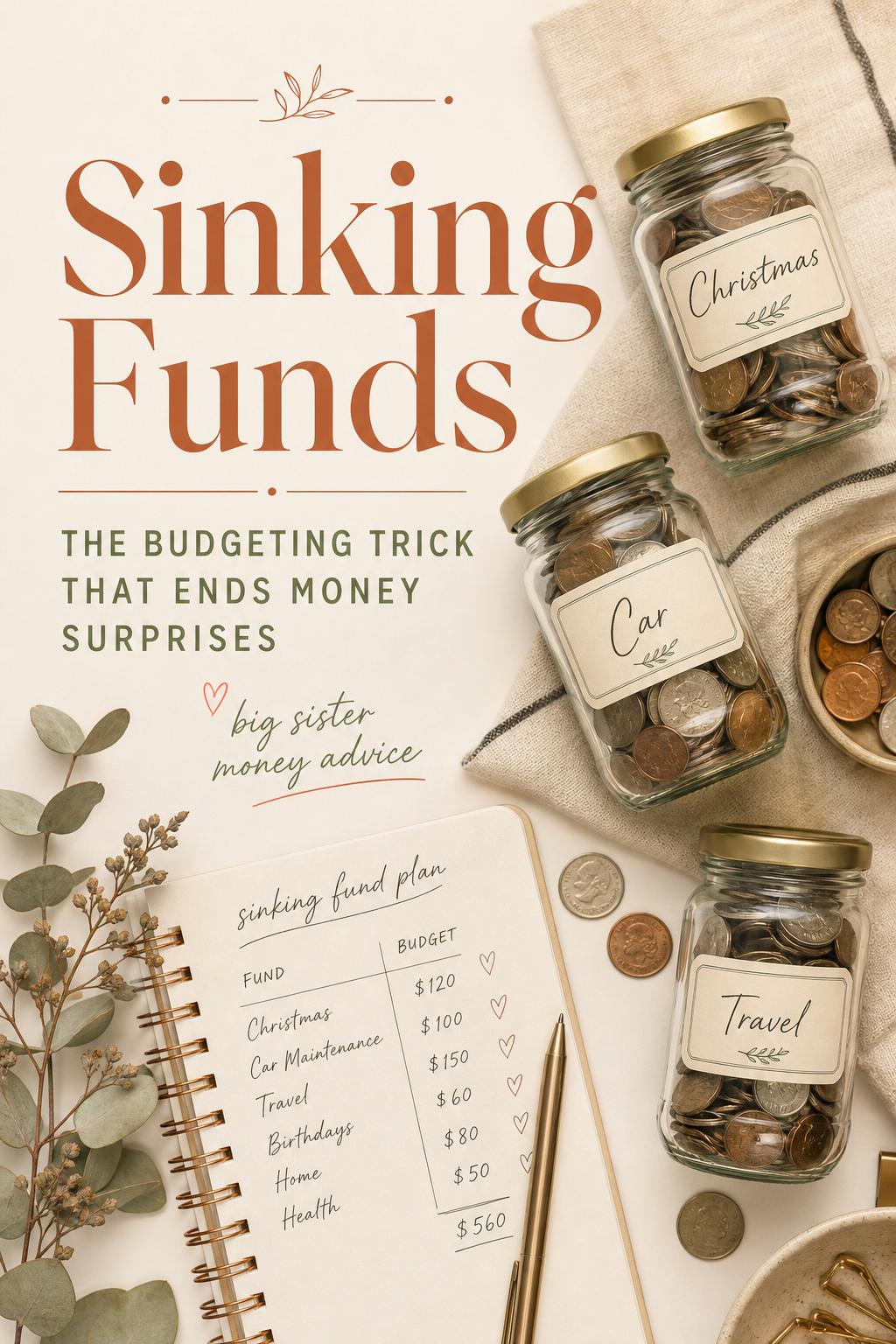
Sinking Funds: The Budgeting Trick That Ends Money Surprises
Christmas isn't an emergency. Neither is your car registration. Here's how to use sinking funds to make big expenses feel like nothing.
June 21, 2026 · 6 min read
 Budgeting
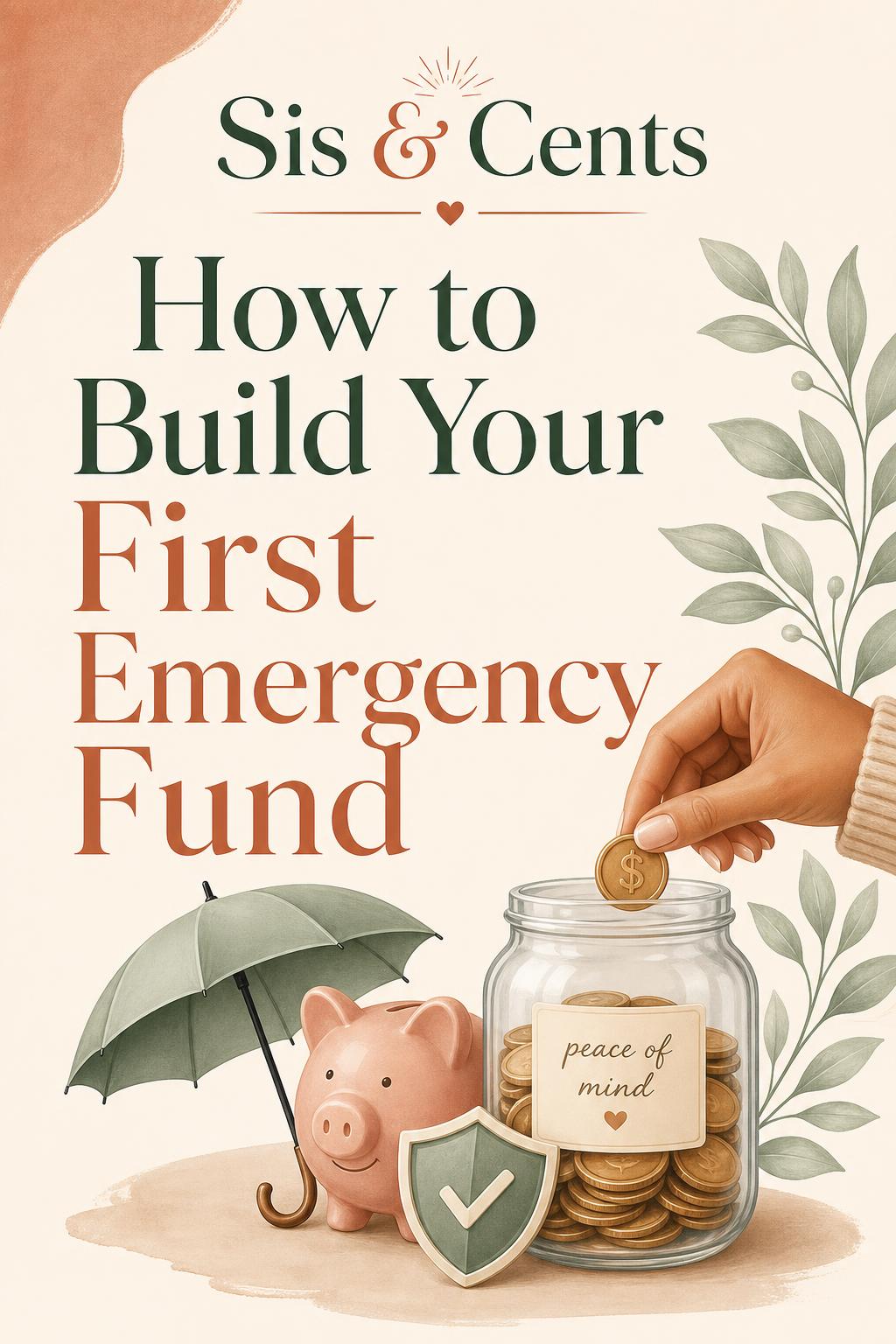
How to Build Your First Emergency Fund (Even If You're Broke)
An emergency fund is the buffer between you and life going sideways. Here's how to start one from zero — without giving up everything you love.
August 12, 2026 · 8 min read
 Budgeting
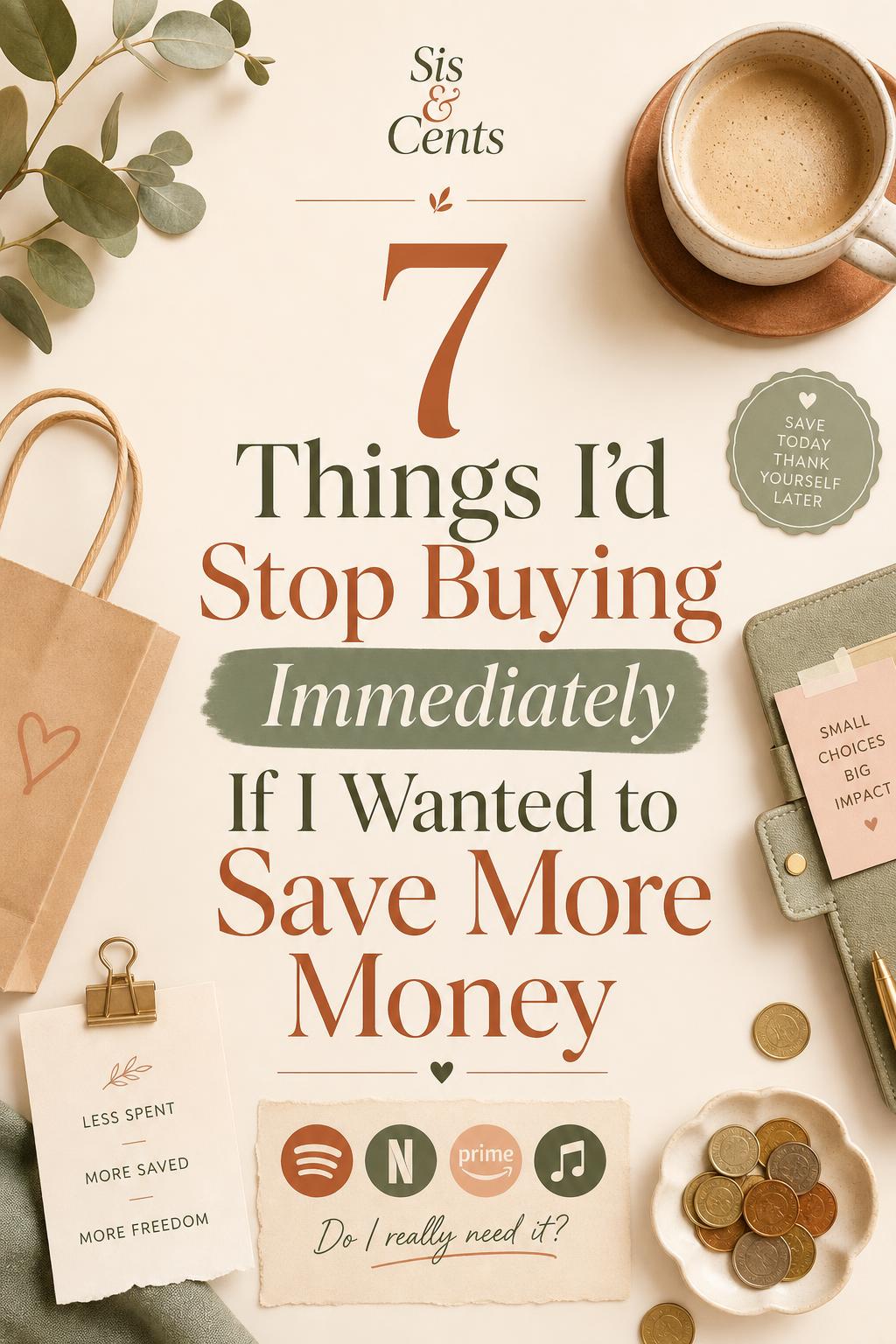
7 Things I'd Stop Buying Immediately If I Wanted to Save More Money
If I needed to free up cash fast, these are the first seven things I'd cut. No shame, no extreme frugality — just smart switches that actually stick.
August 14, 2026 · 8 min read
Filed under