How I Paid Off $22K of Debt in 19 Months (On a Normal Salary)
I wasn't making six figures. I didn't win the lottery. Here's the exact plan — snowball, side income, and the mindset shifts that finally made it click.
May 30, 2026 · 11 min read · by your money big sis
pin it for later ↑
I'm going to be honest with you: I cried at my kitchen table the night I added it all up. $22,340 spread across two credit cards, a car loan, and one very optimistic student loan.
Nineteen months later, I made the last payment from a coffee shop and cried again — different cry. Here's exactly how I did it.
The moment it clicked
I'd been "trying" to pay off debt for two years. Making minimum payments, throwing a random $50 extra whenever I felt guilty. The balances barely moved because interest was eating me alive.
The shift wasn't finding more money. It was picking a method and refusing to negotiate with myself about it anymore.
Why I chose the debt snowball
There are two main methods:
- Snowball — pay smallest balance first, regardless of interest rate. Fast wins.
- Avalanche — pay highest interest rate first. Mathematically optimal.
The avalanche saves more money on paper. The snowball saves your motivation. I picked snowball because I'd already tried being logical for two years and I was still in debt. I needed to feel progress.
The exact plan
I listed every debt smallest to biggest:
- Old Kohl's card — $340
- Visa — $2,100
- Car loan — $8,900
- Student loan — $11,000
Every month I paid the minimum on everything except #1, which got every extra dollar. When #1 died, that whole payment got rolled into #2. And so on. That's the snowball — the payment keeps getting bigger, the momentum keeps building.
The Kohl's card was gone in six weeks. That win carried me through the next eighteen months.
Where the extra money came from
Real talk, you can't out-frugal a real debt. I had to make more. Here's the mix:
- $400/mo — cut cable, two subscriptions, and started meal planning (yes, really)
- $600/mo — freelance writing on evenings and weekends
- $200/mo — sold clothes, furniture, an old iPad, and my beloved bread machine
That's an extra $1,200 a month going to debt. On top of my minimums, I was throwing about $1,500 at the snowball.
The mindset shifts that mattered
Debt is not a personality trait. It's a math problem with a deadline.
I stopped calling it "my debt" like it was permanent. It was just a project. A project I was ending.
I also stopped punishing myself. I gave myself a $75 fun budget every month — not zero — because I knew I'd blow the whole plan if I white-knuckled it for two years.
What I'd do differently
If I were starting over:
- I'd build a $1,000 baby emergency fund first so I didn't reach for the credit card again mid-payoff (I did, twice, and it stung).
- I'd automate the extra payment on payday, not "whenever I remembered."
- I'd tell one friend. Accountability is free and it works.
Your turn
If you're staring at a scary number right now, I promise you: it's smaller than it feels once you have a plan. Write every debt down. Pick a method. Find $100 extra a month somewhere — anywhere.
Then start. Not Monday. Not next paycheck. Today.
I'm rooting for you.
Keep reading, sis
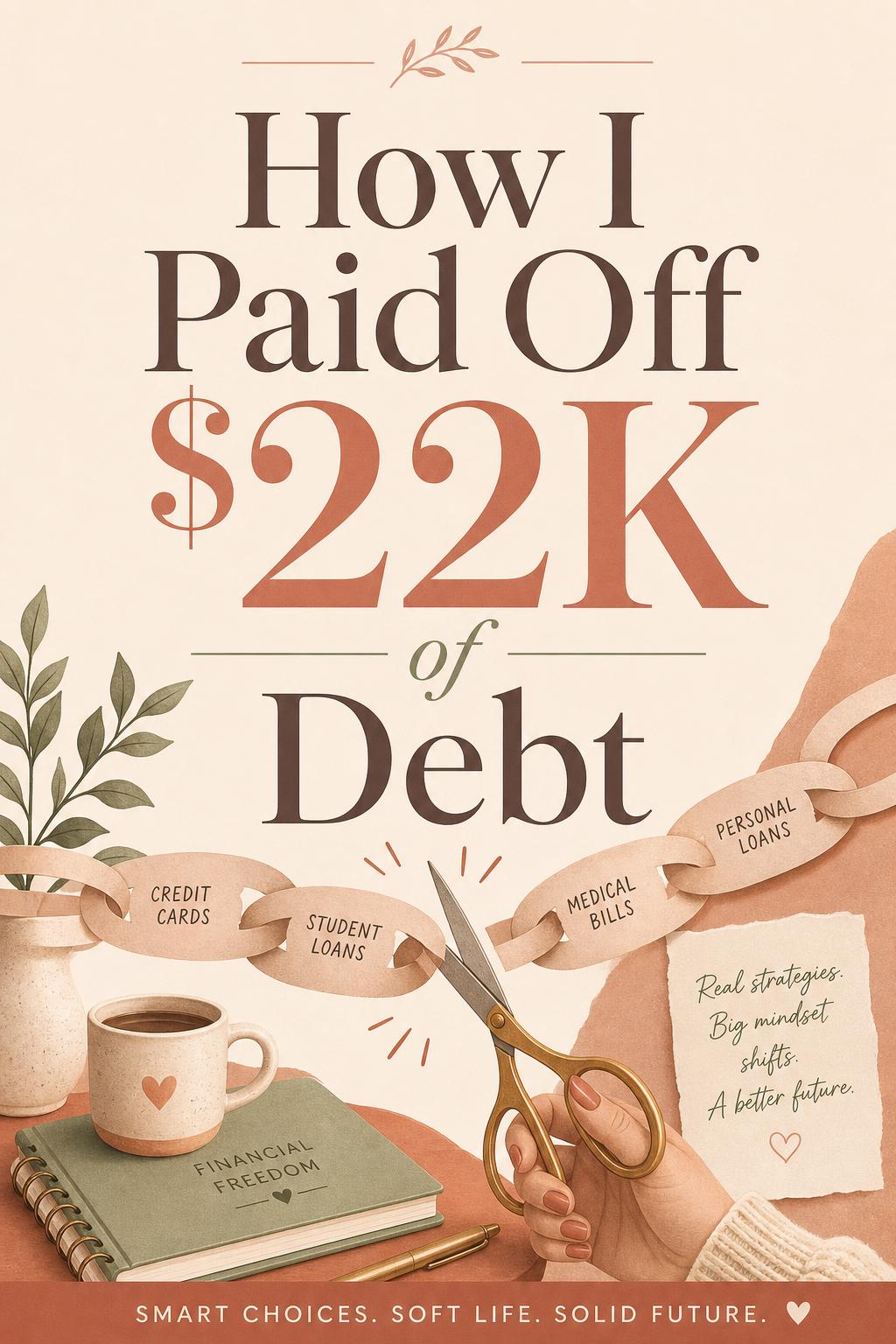 Paying
Debt Snowball vs Avalanche: Which One Should You Actually Use?
Both work. One saves more money, one saves more motivation. Here's how to pick the method that'll actually get you out of debt.
March 15, 2026 · 6 min read
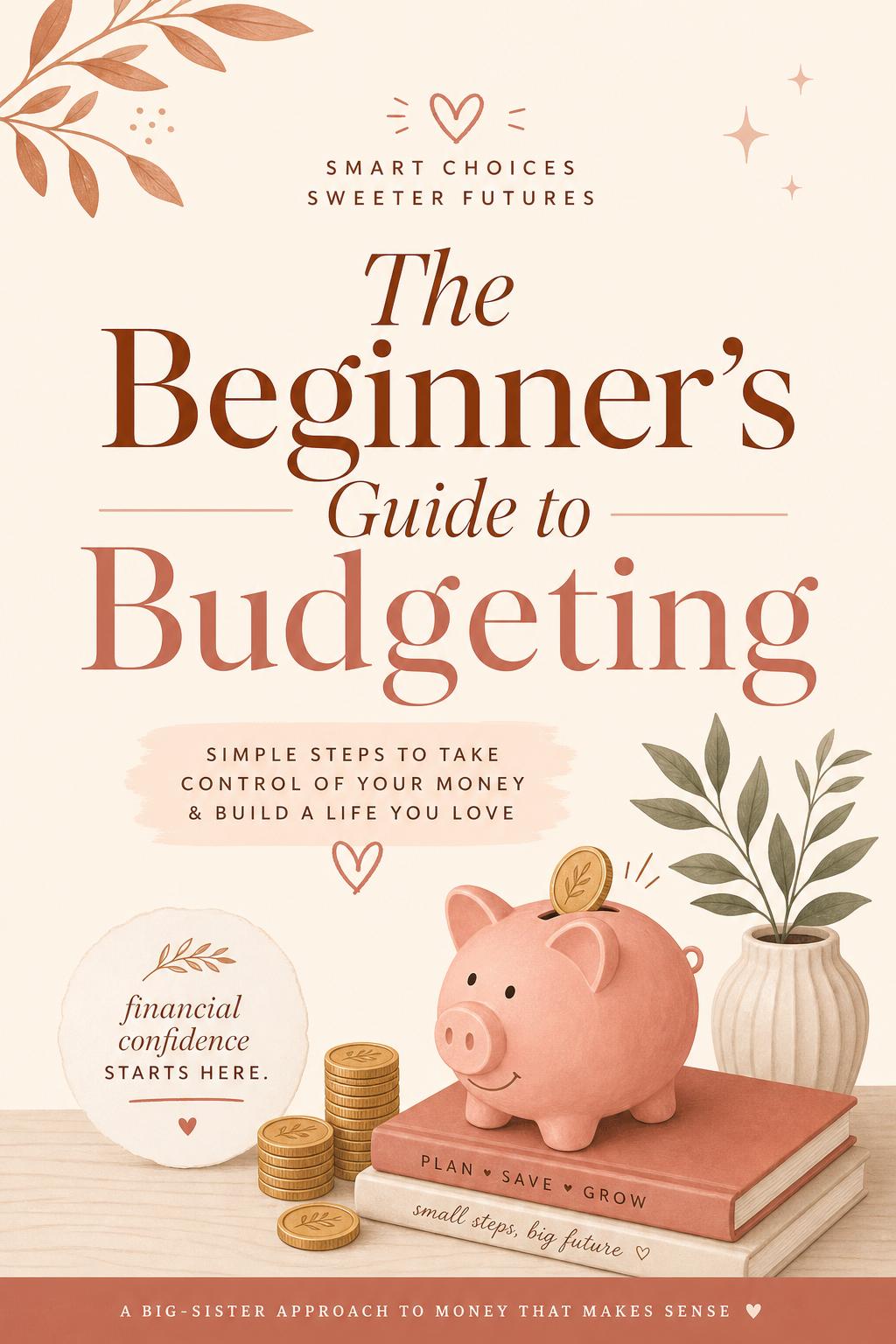 Budgeting
The Beginner's Guide to Budgeting (Without Losing Your Mind)
Okay sis, sit down — we're going to build the first budget that actually works for you. No spreadsheets from hell, no shame spirals. Just a real plan.
June 14, 2026 · 8 min read
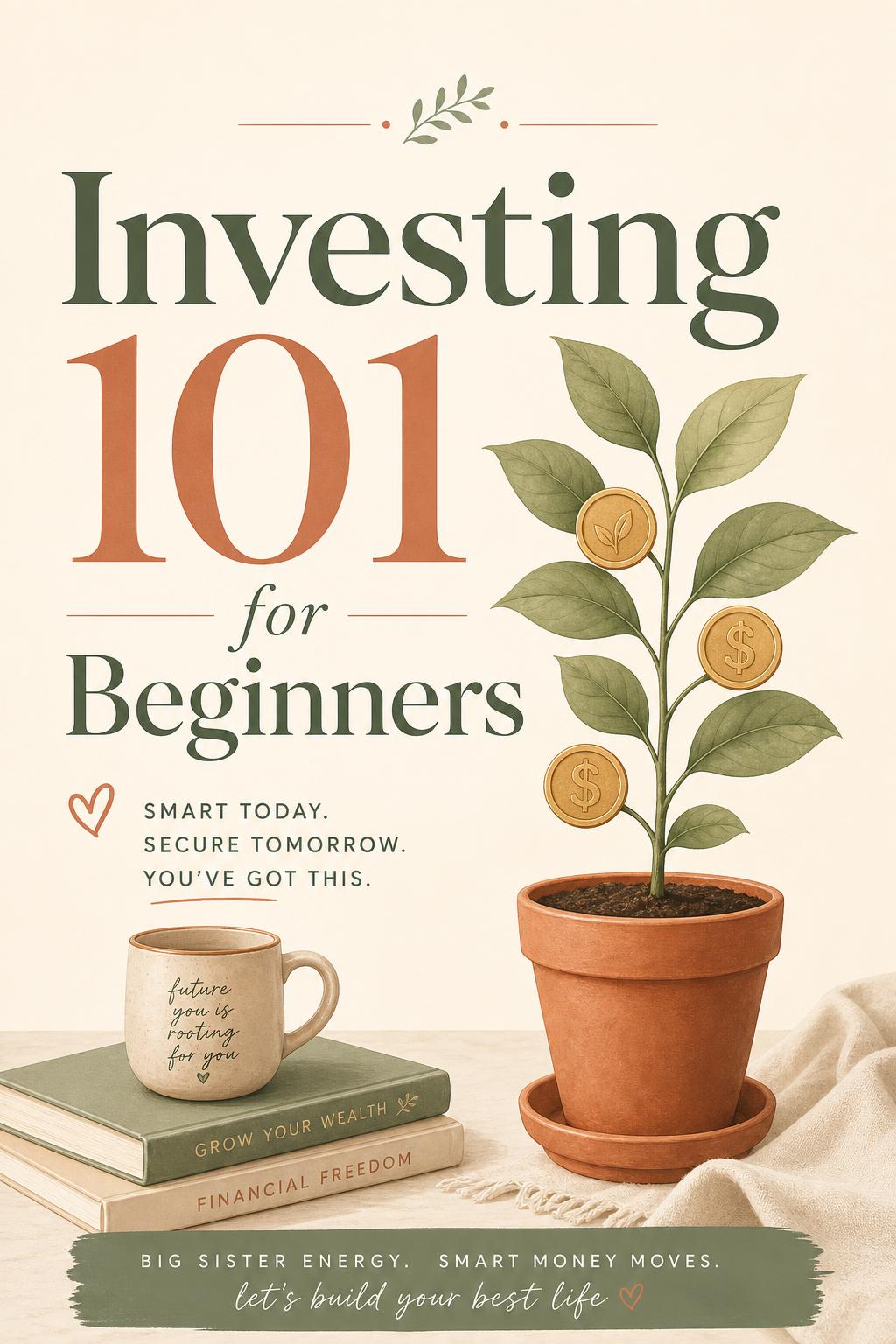 Investing
Investing 101: How to Start Investing With $100 (or Less)
Investing sounds like something rich people do. It's actually something *future*-rich people do. Here's how to open your first account and pick your first fund.
May 18, 2026 · 9 min read
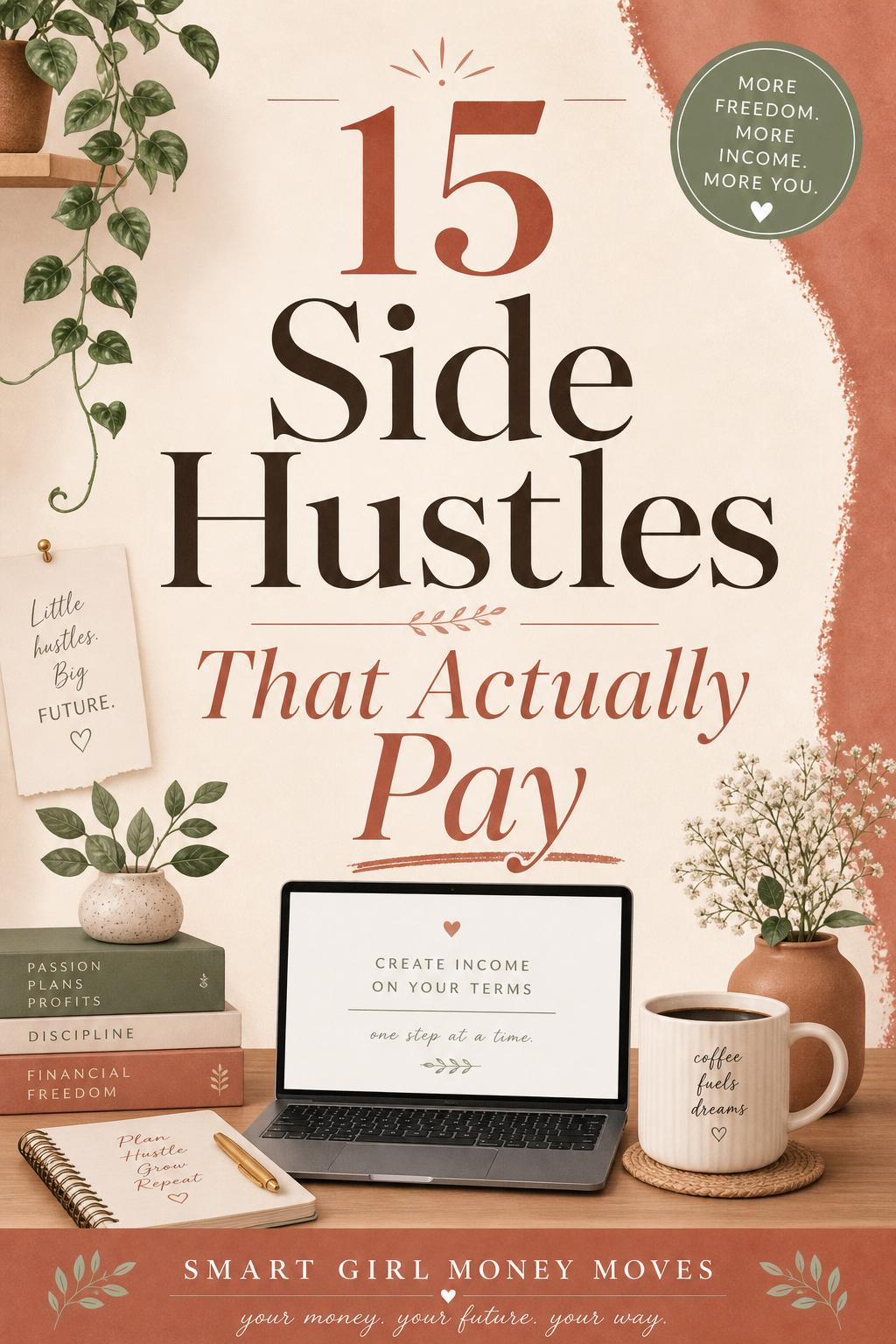 Side
Side15 Side Hustles That Actually Pay in 2026
No pyramid schemes, no "sell your feet pics." Just 15 real side hustles I've either done or watched a friend crush — with honest pay estimates.
May 4, 2026 · 10 min read
Filed under